Lexus Manual Key Won’t Open Door: A Comprehensive Guide (Updated 02/13/2026)
Modern Lexus vehicles, equipped with keyless fobs, can leave drivers stranded when the fob’s battery fails; understanding the manual key override is crucial for access.
Understanding the Lexus Key System
Lexus vehicles integrate a sophisticated key system blending convenience and security. The primary method is the keyless entry fob, utilizing radio frequency (RF) technology for remote locking, unlocking, and engine start. However, Lexus incorporates a traditional mechanical key hidden within the fob as a crucial backup. This manual key is designed to operate the driver’s side door lock cylinder, providing access when the fob battery is depleted or malfunctions.
This system isn’t merely about convenience; it’s a safety net. The mechanical key bypasses the electronic components, allowing entry even with complete fob failure. Understanding this dual-system approach is the first step in troubleshooting access issues. Lexus prioritizes reliability, but like all systems, it’s susceptible to wear, environmental factors, and occasional mechanical problems.
Key Fob Battery Failure: The Primary Culprit
The most frequent reason Lexus owners find themselves needing the manual key is a depleted key fob battery. Modern keyless fobs continuously communicate with the vehicle, draining power even when not in use. While the fob might still illuminate or perform some functions, it may lack the necessary power to unlock the doors remotely.
This is where the integrated manual key becomes essential. It’s a deliberate design feature to prevent complete lockout. Regularly checking and replacing the fob battery – typically a CR2032 – is a simple preventative measure. Ignoring this can lead to the frustrating situation of a non-responsive fob and reliance on the often-forgotten manual key.
Manual Key Operation: Basic Principles
Lexus key fobs house a concealed, physical key, designed for emergency access when the electronic system fails. Typically, a release button or latch on the fob allows extraction of this manual key. Once removed, it functions as a traditional key, capable of unlocking the driver’s side door.
It’s crucial to understand this isn’t a remote unlocking feature; direct insertion into the door lock cylinder is required. The manual key generally doesn’t operate the trunk or passenger doors. Familiarizing yourself with its location and operation before an emergency is highly recommended, preventing unnecessary stress when stranded.

Locating the Manual Key Slot on Your Lexus
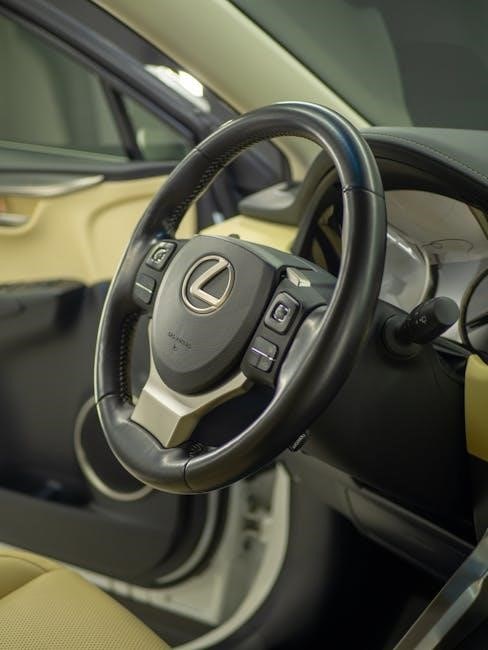
The manual key slot on Lexus vehicles is consistently located on the driver’s side door, though its exact placement varies slightly by model. Generally, you’ll find a small, covered access point near the door handle. Look for a sliding cover or a small indentation – this conceals the key cylinder.
Lift or slide the cover to reveal the slot. It’s often positioned to the rear of the door handle. Refer to your Lexus owner’s manual for a precise diagram specific to your vehicle’s year and model (RX, ES, NX, etc.). Knowing this location beforehand is vital for quick access during emergencies.
Common Reasons Why the Manual Key Fails
Several factors can prevent your Lexus manual key from functioning correctly, even when the key fob is unresponsive. Mechanical issues within the door lock cylinder are frequent culprits, including worn tumblers or internal damage. A worn or damaged key blade itself can also hinder proper engagement.
Cold weather can cause the lock cylinder to freeze, obstructing key insertion. Obstructions like dirt, debris, or even ice buildup within the key slot are common. Finally, interference from the immobilizer system, though less frequent, can sometimes prevent manual operation. Addressing these issues promptly is key to regaining access.
Mechanical Issues Within the Door Lock Cylinder
The door lock cylinder, a complex mechanical component, is susceptible to wear and tear over time. Worn tumblers, the internal pins that verify the key’s profile, are a primary cause of failure, preventing smooth operation. Corrosion, especially in humid climates, can seize moving parts within the cylinder.
Physical damage, potentially from attempted forced entry or a bent key, can also compromise the cylinder’s integrity. Internal springs can weaken or break, hindering the locking mechanism. These issues often manifest as a stiff or unresponsive lock, requiring professional attention for diagnosis and repair or replacement.
Worn or Damaged Key Blade
A visibly worn or damaged key blade can be the simplest explanation for a manual key failing to operate. Over years of use, the key’s cuts gradually wear down, diminishing its ability to properly align with the lock cylinder’s tumblers. Bending, twisting, or cracking of the key blade, even if seemingly minor, can prevent full insertion and correct engagement.
Attempting to use a damaged key can exacerbate the problem, potentially causing further damage to the lock cylinder itself; Regularly inspecting your key for signs of wear, and replacing it proactively, can prevent frustrating lock-out situations and costly repairs.
Frozen Door Lock (Cold Weather Considerations)
In frigid temperatures, moisture within the door lock cylinder can freeze, effectively jamming the mechanism and preventing key operation. This is a common issue, particularly in regions experiencing below-freezing conditions. Ice crystals obstruct the tumblers, making it impossible for the key to engage properly.

Avoid forcing the key, as this could damage the lock or break the key itself. Gentle attempts, combined with warming the key (using your body heat) or the lock cylinder (with a hairdryer on a low setting – cautiously!), may resolve the issue. Preventative measures, like lock de-icers, can also be beneficial.
Obstruction in the Key Slot
A surprisingly common reason for manual key failure is a physical obstruction within the key slot itself. Debris like dirt, dust, small stones, or even melted wax from candles can accumulate over time, blocking the key’s path. This prevents the tumblers from aligning correctly, rendering the key ineffective.
Before applying force, carefully inspect the key slot with a flashlight. Attempt to dislodge any visible debris with a small, non-metallic tool – avoid damaging the delicate internal components. Compressed air can also be useful. If the obstruction persists, professional locksmith assistance is recommended to prevent further complications.
Troubleshooting Steps: Initial Checks
When your Lexus manual key refuses to open the door, begin with simple, logical checks. First, confirm the key fob battery isn’t the issue – a dead fob can sometimes create confusion. Next, visually inspect the manual key itself for any obvious damage like bends or cracks.
Attempt key insertion with gentle, controlled pressure, avoiding excessive force. Try wiggling the key slightly as you insert it; this can help align the tumblers. If still unsuccessful, check for visible obstructions in the key slot. These initial steps can often resolve the issue quickly and prevent unnecessary complications.
Testing the Key Fob Battery
A depleted key fob battery is a frequent cause of access problems, even when attempting to use the manual key. Begin by observing the fob’s indicator light; if it’s dim or doesn’t illuminate, the battery is likely weak. Many fobs require a button press to activate the indicator.
If the light is unresponsive, replace the battery with a fresh one of the correct type – consult your Lexus owner’s manual for specifics. After replacement, test all fob functions (lock, unlock, trunk release) to confirm proper operation. A functioning fob eliminates it as the source of the problem, focusing troubleshooting on the manual key system.
Visually Inspecting the Manual Key
Before attempting to use the manual key, a thorough visual inspection is essential. Examine the key blade for any obvious signs of damage, such as bends, cracks, or missing teeth. Even slight imperfections can prevent proper engagement with the lock cylinder.
Check for any debris or foreign objects lodged within the key’s grooves. A clean, undamaged key is fundamental for successful operation. Compare the key to a spare, if available, to identify any differences. If damage is apparent, a replacement key cut from the original code is necessary; attempting to force a damaged key can worsen the issue.
Attempting Key Insertion with Gentle Pressure
Once visually inspected, carefully attempt to insert the manual key into the lock cylinder. Avoid forcing the key; excessive force can cause further damage to both the key and the lock mechanism. Apply gentle, steady pressure while wiggling the key slightly from side to side.
If the key encounters resistance, do not continue to push. Instead, try withdrawing and reinserting it, experimenting with different angles. A smooth insertion indicates the lock isn’t mechanically seized. If resistance persists, lubrication might be needed, but avoid applying it before attempting gentle insertion.
Lubricating the Lock Cylinder
If gentle pressure fails, a lubricant can help. However, avoid oil-based lubricants as they attract dirt. Graphite-based lubricants are ideal for lock cylinders, offering dry lubrication that won’t gum up the mechanism. Apply a small amount of graphite powder directly into the key slot, or use a graphite lubricant spray with a precision applicator.
Insert and remove the key several times after application to distribute the lubricant. Continue attempting gentle insertion and wiggling. If lubrication doesn’t resolve the issue, the problem may be more complex, requiring professional attention.
Advanced Troubleshooting: Deeper Issues
When basic steps fail, internal malfunctions become likely. A failing door lock actuator, responsible for physically moving the locking mechanism, can prevent key operation. A faulty door control module, the electronic brain controlling door functions, might not send the correct signals. Inspecting wiring harnesses for damage or corrosion is crucial, as breaks disrupt communication.
The immobilizer system, designed to prevent theft, could interfere if it misinterprets the key. These issues require diagnostic tools and expertise beyond DIY repair, often necessitating a professional assessment to pinpoint the root cause.
Door Lock Actuator Malfunction
The door lock actuator is a common culprit when a Lexus manual key fails to operate the door. This small motor physically moves the locking mechanism within the door. A failing actuator may produce clicking sounds, or no response at all, when the key is turned.
Corrosion, wear and tear, or electrical issues can cause actuator failure. Sometimes, the actuator is partially functioning, making the lock difficult to engage or disengage. Diagnosis often requires removing the door panel to access and test the actuator directly, confirming if replacement is necessary for restoring functionality.
Faulty Door Control Module
A malfunctioning door control module (DCM) can prevent the manual key from unlocking the door, even if the mechanical components are sound. The DCM receives signals from the key and operates the door locks. If the module is faulty, it may not recognize the manual key signal, effectively blocking access.
Symptoms include inconsistent locking/unlocking behavior and failure of power locks alongside the manual key issue. Diagnosis typically involves scanning the vehicle’s computer system for error codes related to the DCM. Replacement or reprogramming of the module may be required, often necessitating a visit to a Lexus dealership or qualified technician.
Wiring Harness Problems
Damaged or corroded wiring within the door’s wiring harness can disrupt the signal between the manual key cylinder and the door control module, preventing unlocking. These issues often arise from repeated flexing of the wires during door operation, or exposure to moisture and road elements.

A break or short in the wiring can effectively disable the manual unlocking function. Symptoms may include intermittent functionality or complete failure. Inspection requires careful examination of the wiring harness for visible damage, corrosion, or loose connections. Repair typically involves splicing damaged wires or replacing the entire harness, a task best left to a professional.
Immobilizer System Interference
The Lexus immobilizer system, designed to prevent theft, can sometimes mistakenly interfere with the manual key’s operation, particularly if it detects an unusual signal or a perceived security threat. This is less common but possible, especially if the system has experienced recent electrical disturbances or software glitches.
The system might prevent the door from unlocking, believing an unauthorized access attempt is underway. Resetting the system or re-synchronizing the manual key with the vehicle’s security module may resolve the issue. A diagnostic scan using a Lexus-specific tool is often necessary to identify and clear any immobilizer-related error codes. Professional assistance is recommended for this complex troubleshooting.
DIY Solutions You Can Try
Before seeking professional help, several do-it-yourself solutions can potentially resolve a manual key issue. Carefully applying graphite lubricant to the key blade and within the lock cylinder can reduce friction, aiding insertion. Inspect the key slot for ice buildup, especially in cold weather, and gently remove it.
Attempting gentle wiggling and jiggling of the key while applying slight pressure can help overcome minor obstructions. Ensure the key is fully inserted before applying force. Avoid excessive force, as this could damage the lock mechanism. These steps are preliminary and may not resolve deeper mechanical problems, but they offer a starting point for troubleshooting.
Using Graphite Lubricant Safely
Graphite lubricant is ideal for car locks due to its dry nature, preventing grime buildup unlike oil-based products. Apply sparingly; a small puff into the keyway is sufficient. Insert and remove the key several times to distribute the graphite. Avoid over-application, as excess graphite can attract dirt.
Use a dedicated graphite lubricant specifically designed for locks – avoid household graphite. Protect your vehicle’s paint by carefully applying the lubricant to prevent drips. If using a spray, shield surrounding areas. Graphite helps reduce friction, easing key insertion and operation, but won’t fix mechanical damage.
Checking for Ice Buildup and Removal Techniques
Cold weather can cause ice to form within the lock cylinder, preventing key insertion. Visually inspect the key slot for any visible ice accumulation. Never force the key, as this can damage the lock mechanism. Warm the key gently with your hands or a lighter (carefully!).
Use a de-icer spray specifically designed for car locks, following product instructions. Avoid hot water, as it can refreeze and worsen the problem. A hairdryer (on a low setting, held at a distance) can cautiously warm the lock. Ensure the key is dry before insertion to prevent further freezing.
Gentle Wiggling and Jiggling of the Key
If the manual key inserts but doesn’t turn, gentle manipulation might dislodge any minor obstructions within the lock cylinder. Avoid excessive force, which could damage the internal components. Apply slight pressure while wiggling the key up and down, and jiggling it side to side.
Simultaneously, try to turn the key. This technique aims to align the key’s tumblers with the lock’s mechanism. Repeat this process several times, varying the pressure and wiggling motion. If it remains unresponsive, do not continue forcing it; seek professional assistance to prevent further damage.
When to Seek Professional Help
If initial troubleshooting steps fail, it’s time to consult a professional. Persistent issues with the manual key, despite careful attempts, indicate a more complex problem within the door lock mechanism. Avoid prolonged DIY efforts that could exacerbate the situation and lead to costly repairs.
Consider contacting a Lexus dealership for specialized expertise, or a qualified mobile locksmith experienced with Lexus vehicles. They possess the tools and knowledge to diagnose and resolve intricate lock issues; Ignoring the problem can compromise your vehicle’s security and potentially necessitate a complete lock replacement.
Contacting a Lexus Dealership
Reaching out to a Lexus dealership offers access to factory-trained technicians and genuine Lexus parts. They possess specialized diagnostic equipment to pinpoint the root cause of your manual key issue, whether it’s a faulty lock cylinder or a more complex electronic problem.
Schedule an appointment online or by phone, detailing the specific problem you’re experiencing. Be prepared to provide your vehicle’s VIN for accurate service. Dealerships can also reprogram key fobs and immobilizer systems if interference is suspected. While potentially more expensive than independent options, a dealership ensures quality and maintains your Lexus’s warranty.
Mobile Locksmith Services for Lexus Vehicles

Consider a mobile locksmith specializing in automotive issues, offering convenient on-site service. These professionals can often address manual key problems without the need to tow your Lexus. They are equipped to handle lock cylinder issues, key extraction, and even key duplication if your original is damaged.
Ensure the locksmith is licensed, insured, and experienced with Lexus vehicles, as their security systems can be complex. Request a quote upfront and verify their methods won’t cause further damage. Mobile locksmiths are often a faster and more affordable alternative to dealerships, especially for simple lock-related problems.
Towing to a Repair Shop
If initial troubleshooting fails, and you’re unable to gain entry, towing your Lexus to a qualified repair shop is necessary. Avoid attempting forceful entry, which could damage the door or locking mechanism, leading to more expensive repairs. Choose a reputable towing service experienced with luxury vehicles to prevent further complications.
Inform the repair shop about the specific issue – the manual key won’t open the door – to help them diagnose the problem efficiently. They possess specialized tools and expertise to address complex issues like faulty door lock actuators or immobilizer system interference. Towing ensures a safe and professional assessment of the problem.
Preventative Measures to Avoid Future Issues
Proactive maintenance significantly reduces the risk of encountering issues with your Lexus door locks. Regularly replace the key fob battery – at least annually, or as indicated by the fob’s warning signal – to ensure reliable keyless entry. Protect the fob from extreme temperatures and physical damage, like drops or moisture exposure.
Periodically lubricate the lock cylinders with a graphite-based lubricant, avoiding oil-based products that can attract dirt. Always use gentle pressure when inserting the manual key, never forcing it. These simple steps can prevent mechanical issues and maintain smooth operation, safeguarding against future lockouts and costly repairs.
Regular Key Fob Battery Replacement
Consistent battery checks are paramount for preventing key fob failure, a common cause of lockout situations in Lexus vehicles. Aim to replace the battery annually, or whenever the fob exhibits signs of weakening signal strength or delayed response. Modern key fobs offer convenience, but are rendered useless with a depleted battery.
Keep spare batteries readily available, and familiarize yourself with the fob’s battery replacement procedure – often detailed in your Lexus owner’s manual. Proactive replacement ensures uninterrupted access to your vehicle, minimizing the need to rely solely on the manual key and avoiding potential frustration.
Protecting the Key Fob from Damage
Safeguarding your Lexus key fob from physical damage is essential for reliable operation and preventing lockout scenarios. Avoid dropping the fob onto hard surfaces, and shield it from extreme temperatures or prolonged exposure to direct sunlight. Consider using a protective case or key chain to absorb impacts and offer an extra layer of defense.
Keep the fob dry, as moisture can corrode internal components. Be mindful of placing heavy objects on top of the fob in pockets or bags. A damaged fob, even with a fresh battery, may fail to communicate with your vehicle, necessitating the use of the manual key – or worse, a service call.
Periodic Lock Cylinder Lubrication
Regular lubrication of your Lexus door lock cylinders is a proactive step towards ensuring smooth manual key operation and preventing future access issues. Over time, dust, dirt, and corrosion can accumulate within the cylinder, hindering key insertion and turning. Use a graphite-based lubricant specifically designed for locks; avoid oil-based products, as they can attract debris.
Apply the lubricant sparingly, inserting the nozzle into the keyway and briefly actuating the key. Repeat this process several times, then insert and remove the key to distribute the lubricant evenly. This simple maintenance task can significantly reduce friction and maintain the mechanical integrity of your door locks.
Avoiding Excessive Force When Using the Manual Key
Applying excessive force when attempting to open your Lexus door with the manual key is a common mistake that can exacerbate the problem and potentially cause further damage. If the key doesn’t insert smoothly or turn easily, resist the urge to force it. Forcing the key can bend or break the key blade, or damage the internal components of the lock cylinder.
Instead, try gentle wiggling and jiggling while applying light pressure. If resistance persists, re-evaluate the situation and consider other troubleshooting steps, such as lubrication or professional assistance. Remember, patience and a delicate approach are key to avoiding costly repairs.
Lexus Model-Specific Considerations (RX, ES, NX, etc.)
While the general principle of manual key operation remains consistent across Lexus models (RX, ES, NX, and others), slight variations in key slot location and lock cylinder design exist. For example, the RX series might have a slightly recessed key slot compared to the ES. NX models, being newer, may feature more advanced security measures impacting manual override functionality.
Owners should consult their specific Lexus model’s owner’s manual for precise instructions and diagrams. Understanding these nuances can prevent frustration and ensure successful manual key operation. Furthermore, certain model years may be more prone to specific lock-related issues, highlighting the importance of model-specific research.
Resources for Lexus Owners (Online Forums, Manuals)
Lexus owners facing manual key issues have access to a wealth of information; The official Lexus website provides downloadable owner’s manuals detailing key operation and troubleshooting steps for specific models. Numerous online Lexus forums, such as Lexus Enthusiast and ClubLexus, host active communities where owners share experiences and solutions.
These forums are invaluable for diagnosing model-specific problems and learning from others who’ve encountered similar difficulties. YouTube channels dedicated to automotive repair often feature Lexus-specific tutorials. Remember to verify information found online with official Lexus documentation for accuracy and safety.
Emergency Access Procedures (If Locked Out Completely)
If the manual key fails and you’re completely locked out of your Lexus, several options exist. Contacting Lexus Roadside Assistance is a primary step; they can dispatch a technician or provide guidance. A professional locksmith specializing in automotive locks can often unlock the vehicle without causing damage. Avoid attempting forceful entry, as this could trigger the alarm or damage the door mechanisms.
Some Lexus models may offer a smartphone app with remote unlocking features, if previously activated. Documenting your vehicle identification number (VIN) and key code beforehand can expedite the process with roadside assistance or a locksmith. Prioritize professional assistance to prevent further complications.
Cost Estimates for Repair/Replacement
Repair costs for a malfunctioning Lexus door lock cylinder, due to a failed manual key operation, typically range from $200 to $800, depending on the model and complexity. Locksmith services for unlocking or re-keying can cost between $80 and $300; Door lock actuator replacement, if diagnosed as the issue, averages $300 to $600, including labor.
A new key fob, if the original is lost or damaged, can range from $150 to $600, plus programming fees ($50 to $150). Dealerships generally charge higher rates than independent locksmiths. Wiring harness repairs, if necessary, can add $100 to $500 to the total cost. These are estimates; a professional diagnosis is crucial for accurate pricing.