Manual brake bleeding is a crucial maintenance procedure‚ ensuring optimal stopping power and safety for your vehicle; it removes air bubbles.
This process‚ utilizing a manual brake bleeder kit‚ directly addresses hydraulic system inefficiencies‚ restoring firm pedal feel and reliable braking performance.
Understanding this technique empowers vehicle owners to maintain their braking systems‚ avoiding costly repairs and enhancing overall road safety with confidence.
What is Brake Bleeding?
Brake bleeding is the process of removing compressed air from the hydraulic brake lines of a vehicle. This air can enter the system during brake line repairs‚ master cylinder replacements‚ or even through normal wear and tear. Air in the brake lines compromises the system’s ability to transmit pressure effectively.
When you press the brake pedal‚ the master cylinder pushes brake fluid through the lines to the calipers or wheel cylinders. Air is compressible‚ unlike brake fluid‚ meaning it absorbs some of the force‚ resulting in a spongy or soft brake pedal feel and reduced braking power.
A manual brake bleeder kit facilitates this process by allowing a technician (or DIY enthusiast) to systematically push fluid through each brake line‚ expelling any trapped air. This restores a firm pedal and ensures the brakes function as designed‚ providing consistent and reliable stopping performance. Proper bleeding is essential for vehicle safety.
Why Bleed Your Brakes Manually?
Manual brake bleeding offers several advantages‚ making it a preferred method for many vehicle owners and technicians. It’s a cost-effective solution‚ requiring only a relatively inexpensive manual brake bleeder kit and brake fluid. Unlike pressure bleeding systems‚ it doesn’t rely on specialized equipment or electricity.
More importantly‚ manual bleeding provides a direct feel for the brake system’s condition. You can monitor the fluid flow and identify any blockages or inconsistencies. This hands-on approach allows for precise control and ensures all air is completely removed from the lines.
Regular manual bleeding‚ especially after any brake system work‚ maintains optimal braking performance‚ enhances safety‚ and prevents potential brake failure. It’s a proactive maintenance step that extends the life of your braking components and provides peace of mind.

Tools and Materials Needed
Essential tools include a manual brake bleeder kit‚ wrench set‚ brake fluid‚ catch container‚ and safety glasses; preparation is key!
Gathering these items beforehand streamlines the process‚ ensuring a smooth and efficient brake bleeding experience for optimal results.
Manual Brake Bleeder Kit Components
A comprehensive manual brake bleeder kit typically includes several key components designed to facilitate a successful brake fluid flush. Central to the kit is the hand pump‚ used to create pressure within the reservoir‚ pushing fluid through the system.
Various adapters are crucial‚ ensuring compatibility with different vehicle makes and models’ bleeder screws. Clear tubing connects the bleeder screws to a collection bottle‚ allowing visual confirmation of fluid flow and air bubble presence.
The collection bottle itself is often graduated‚ aiding in monitoring the amount of fluid removed. Wrenches‚ sized appropriately for the bleeder screws‚ are also standard inclusions. Some kits may also feature a one-way check valve‚ preventing fluid from flowing back into the system. Finally‚ instructions are vital for proper usage.
Brake Fluid Types and Compatibility
Understanding brake fluid types is paramount when performing a manual brake bleed. DOT 3‚ DOT 4‚ and DOT 5.1 are glycol-ether based fluids‚ differing in boiling points – DOT 4 having a higher boiling point than DOT 3. DOT 5 is silicone-based and not compatible with DOT 3 or 4.
Mixing incompatible fluids can lead to system failure due to reduced braking performance and potential corrosion. Always check your vehicle’s owner’s manual for the specified fluid type.
Using the correct fluid ensures optimal braking efficiency and prevents damage to seals and components. When topping off or flushing‚ stick to the recommended specification. Compatibility is key for a safe and reliable braking system.
Safety Precautions
Brake fluid is corrosive and can damage paint‚ so protect your vehicle’s finish during a manual brake bleed. Wear safety glasses and gloves to prevent skin and eye contact. Work in a well-ventilated area‚ as brake fluid fumes can be harmful.
Never allow brake fluid to spill onto brake pads or rotors‚ as this will compromise their effectiveness. Dispose of used brake fluid responsibly at a designated recycling center – it’s hazardous waste.
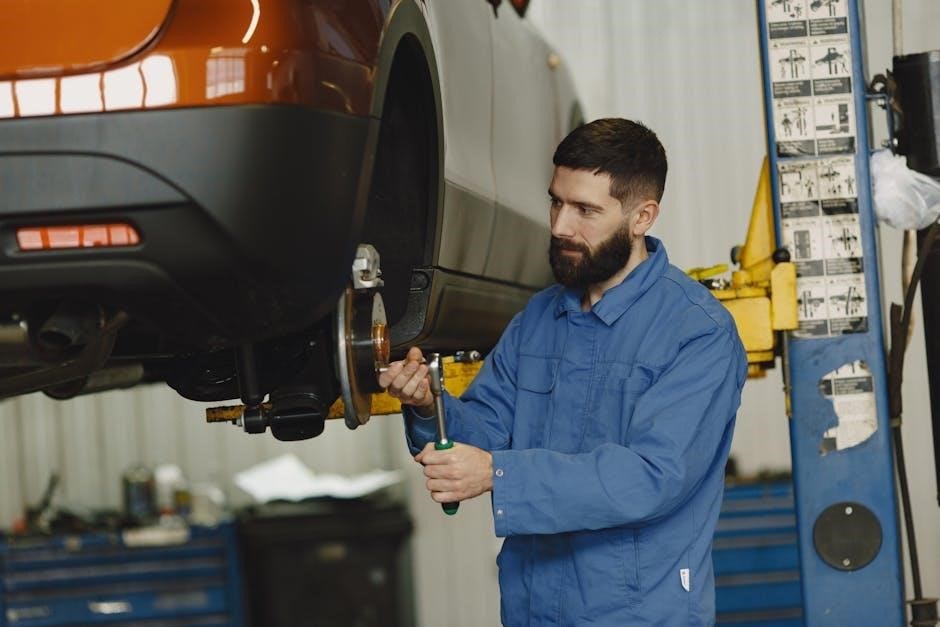
Ensure the vehicle is securely supported on jack stands before working underneath it. Double-check all connections before applying pressure to the brake system. Prioritize safety throughout the entire process to avoid injury or damage.
Step-by-Step Brake Bleeding Procedure
Manual brake bleeding involves a systematic process: preparing the vehicle‚ bleeding the master cylinder‚ and then each brake line sequentially for optimal results.
Preparing the Vehicle
Before initiating the brake bleeding process‚ meticulous preparation is paramount for safety and effectiveness. Begin by securely parking the vehicle on a level surface and engaging the parking brake firmly. Gather all necessary tools‚ including your manual brake bleeder kit‚ appropriate wrenches for the bleeder screws‚ fresh brake fluid‚ and safety glasses.
Loosen the lug nuts on the wheels you’ll be working on – do not remove them entirely yet. This makes wheel removal easier later if needed for access. Inspect the brake fluid reservoir‚ ensuring it’s clean and filled to the “MAX” line with the correct type of brake fluid. Throughout the bleeding process‚ consistently monitor and top off the reservoir to prevent air from being drawn back into the system.
Finally‚ locate the bleeder screws on each brake caliper or wheel cylinder; these may be corroded‚ so penetrating oil can be helpful. Understanding your vehicle’s specific brake system layout is crucial for a smooth and successful bleed.
Bleeding the Master Cylinder
Bleeding the master cylinder is often the initial step‚ especially after a complete brake system overhaul or if the master cylinder has been replaced. Begin by ensuring the brake fluid reservoir is full to prevent air introduction. Using a clear tube connected to the bleeder valve on the master cylinder‚ pump the brake pedal slowly and repeatedly.
Observe the fluid flowing through the tube; initially‚ it will contain air bubbles. Continue pumping until the fluid runs clear and free of any air pockets. This process forces any trapped air within the master cylinder itself to escape. A manual brake bleeder can assist by maintaining pressure and ensuring a consistent flow.
Throughout this stage‚ consistently check and replenish the brake fluid reservoir to avoid it running dry‚ which would reintroduce air. A firm pedal feel after this step indicates successful master cylinder bleeding.
Bleeding the Brake Lines – General Process
Bleeding the brake lines involves systematically removing air from each individual brake line‚ starting with the furthest from the master cylinder. Attach a clear tube to the bleeder screw on the brake caliper or wheel cylinder‚ and submerge the other end in a container with a small amount of fresh brake fluid.
With a helper pressing the brake pedal‚ open the bleeder screw slightly. Observe fluid and air bubbles flowing through the tube. Have your helper slowly release the pedal once resistance is felt. Repeat this process – pump‚ open‚ close – until only clear fluid emerges‚ indicating all air has been expelled.
A manual brake bleeder can simplify this by providing consistent pressure. Ensure the brake fluid reservoir remains full throughout the process to prevent air re-entry. Tighten the bleeder screw before moving to the next brake line.
Bleeding Sequence (Front to Rear or Vice Versa)
The optimal bleeding sequence generally starts with the brake furthest from the master cylinder – typically the right rear‚ then left rear‚ right front‚ and finally‚ the left front. This ensures air bubbles are progressively pushed towards the reservoir during the manual brake bleeder process.
However‚ some technicians advocate for a front-to-rear sequence‚ believing it more effectively clears the system. Regardless of the chosen order‚ consistency is key. Maintain a full brake fluid reservoir throughout the entire procedure to prevent air from being drawn back into the lines.
Documenting the sequence used is helpful for future reference. If encountering difficulties‚ reversing the sequence can sometimes dislodge stubborn air pockets. Always double-check each bleeder screw is securely tightened after bleeding.
Troubleshooting Common Issues
Troubleshooting during manual brake bleeding often involves persistent air‚ stuck bleeder screws‚ or a consistently low fluid reservoir; address these promptly.
Careful inspection and methodical problem-solving are essential for a successful brake system restoration‚ ensuring optimal performance and safety.
Air Still Present in the System
Persistent air in the brake lines after a manual brake bleeding attempt is a common frustration‚ often indicating a leak somewhere within the system. Thoroughly inspect all brake lines‚ fittings‚ and the master cylinder for any visible signs of fluid leakage.
Double-check that the bleeder screws are securely tightened after each bleed‚ and ensure the brake fluid reservoir remains consistently full throughout the process. Air can be drawn back into the system if the reservoir runs dry.
Sometimes‚ air can become trapped within the ABS module itself‚ requiring a more advanced scan tool to cycle the ABS valves and purge the air. If the issue persists‚ consider repeating the bleeding process‚ starting with the wheel furthest from the master cylinder‚ and ensuring a consistent‚ slow pedal pump during bleeding.
Stuck Bleeder Screws
Stuck brake bleeder screws are a frequent challenge during manual brake bleeding‚ often due to corrosion or damage. Before applying excessive force‚ apply a penetrating oil‚ like PB Blaster‚ liberally to the screw and let it soak for at least 15-30 minutes.
Use a six-point wrench‚ rather than an open-end wrench‚ to minimize the risk of rounding off the screw head. If the screw remains stubborn‚ gently tap the wrench with a hammer to help break the corrosion.
Avoid breaking the bleeder screw off entirely‚ as this can create a much larger problem. If it does break‚ professional extraction will be necessary. Consider using a bleeder screw removal tool if available‚ and always exercise caution to prevent further damage.
Low Brake Fluid Reservoir
Maintaining an adequate brake fluid level in the reservoir is paramount during manual brake bleeding. As fluid is expelled from each brake line‚ the reservoir level will drop; consistently monitor and replenish it to prevent air from re-entering the system.
Allowing the reservoir to run dry introduces air‚ negating your bleeding efforts and potentially compromising braking performance. Use the correct type of brake fluid specified in your vehicle’s owner’s manual – mixing types can cause damage.
Top up the reservoir frequently throughout the bleeding process‚ and always ensure the cap is securely fastened to prevent contamination. A clear reservoir allows for easy visual monitoring of the fluid level.
Advanced Techniques
Advanced brake bleeding involves pressure systems or one-person kits‚ streamlining the manual brake bleeder process for efficiency and convenience.
These methods offer alternatives for challenging bleeds‚ enhancing control and reducing the time needed for complete brake system maintenance.
Pressure Bleeding vs. Manual Bleeding
Pressure bleeding utilizes a pressurized system to force brake fluid through the lines‚ effectively displacing air bubbles‚ while manual bleeding relies on pedal pumping.
Pressure bleeding‚ often employing a dedicated power bleeder‚ generally offers a more thorough and efficient bleed‚ particularly for complex systems like those with ABS.
It minimizes the risk of introducing air back into the system and can be performed by a single person‚ unlike the traditional two-person manual brake bleeder method.
However‚ pressure bleeding requires specialized equipment‚ adding to the initial cost‚ and improper use can potentially damage brake components.
Manual bleeding‚ while more labor-intensive and requiring coordination‚ is a cost-effective option for simpler systems and doesn’t necessitate additional tools beyond a manual brake bleeder kit.
The choice depends on the vehicle’s complexity‚ budget‚ and the mechanic’s experience level.
Using a One-Person Brake Bleeder
A one-person brake bleeder simplifies the process‚ eliminating the need for a helper to operate the brake pedal; it’s a convenient alternative to traditional manual brake bleeder methods.
These tools typically feature a check valve that prevents air from being drawn back into the system when the bleeder screw is opened‚ maintaining consistent pressure.
Operation involves attaching the bleeder to the bleed screw‚ opening the screw‚ and pumping the brake pedal until clear fluid emerges‚ indicating air removal.
Ensure the reservoir remains adequately filled throughout the process to avoid introducing air.
While effective‚ it’s crucial to follow the manufacturer’s instructions carefully‚ as improper use can lead to incomplete bleeding or system contamination.
Regularly check the fluid level and inspect for leaks during and after bleeding for optimal results with your manual brake bleeder.
Post-Bleeding Checks and Maintenance
Post-bleeding‚ thoroughly test the brake pedal firmness and responsiveness; inspect all lines for leaks after using a manual brake bleeder.
Regular fluid checks and timely replacements maintain optimal braking performance and system longevity‚ ensuring continued safety;
Testing Brake Pedal Feel
After completing the brake bleeding process‚ utilizing a manual brake bleeder‚ a comprehensive pedal feel test is paramount to confirm successful air removal and proper system function.
Begin by firmly depressing the brake pedal several times‚ observing for a consistent‚ solid feel throughout the pedal travel. The pedal should not feel spongy or sink to the floor under moderate pressure.
A properly bled system will exhibit a firm‚ responsive pedal that provides confident braking power. If any softness or sponginess remains‚ it indicates residual air within the lines‚ necessitating a repeat of the bleeding procedure.
Ensure the vehicle is stationary and secure before conducting this test. Gradually increase pressure on the pedal‚ noting any changes in resistance or feel. A consistent‚ firm resistance is the desired outcome‚ confirming a properly functioning braking system.
Pay close attention to any unusual noises or vibrations during the test‚ as these could indicate underlying issues requiring further investigation.
Checking for Leaks
Following brake bleeding‚ especially when using a manual brake bleeder‚ a meticulous leak check is essential to guarantee system integrity and prevent brake fluid loss. Begin by visually inspecting all brake lines‚ fittings‚ and the master cylinder.
Carefully examine each connection point for any signs of dampness or fluid accumulation. Pay particular attention to the bleeder screws on each caliper‚ ensuring they are securely tightened after the bleeding process.
Run your fingers along the brake lines to detect any subtle leaks that may not be immediately visible. Inspect the calipers and wheel cylinders for any fluid seepage around the pistons or seals.
After a short test drive‚ re-inspect all components. Any detected leaks‚ however minor‚ must be addressed immediately to maintain safe and reliable braking performance. Ignoring leaks can compromise braking ability.
Promptly repair or replace any leaking components to restore full system functionality and prevent potential hazards.
Brake Fluid Maintenance Schedule
Establishing a consistent brake fluid maintenance schedule is vital‚ even after utilizing a manual brake bleeder to remove air. Brake fluid absorbs moisture over time‚ reducing its effectiveness and causing corrosion within the system.
Generally‚ brake fluid should be flushed and replaced every two to three years‚ or 30‚000 to 60‚000 miles‚ whichever comes first. However‚ this interval can vary based on driving conditions and vehicle manufacturer recommendations.
Vehicles subjected to severe duty‚ such as frequent towing or aggressive driving‚ may require more frequent fluid changes. Regularly inspect the brake fluid reservoir for color and clarity; dark or murky fluid indicates contamination.
Periodic checks with a brake fluid tester can accurately measure moisture content. Proactive maintenance prevents costly repairs and ensures optimal braking performance‚ safeguarding your vehicle and passengers.
Adhering to a schedule maintains system integrity and extends the life of braking components.
Specific Brake System Considerations
ABS systems require specialized bleeding procedures; a manual brake bleeder may need an ABS scan tool for proper cycling and air removal from modules.
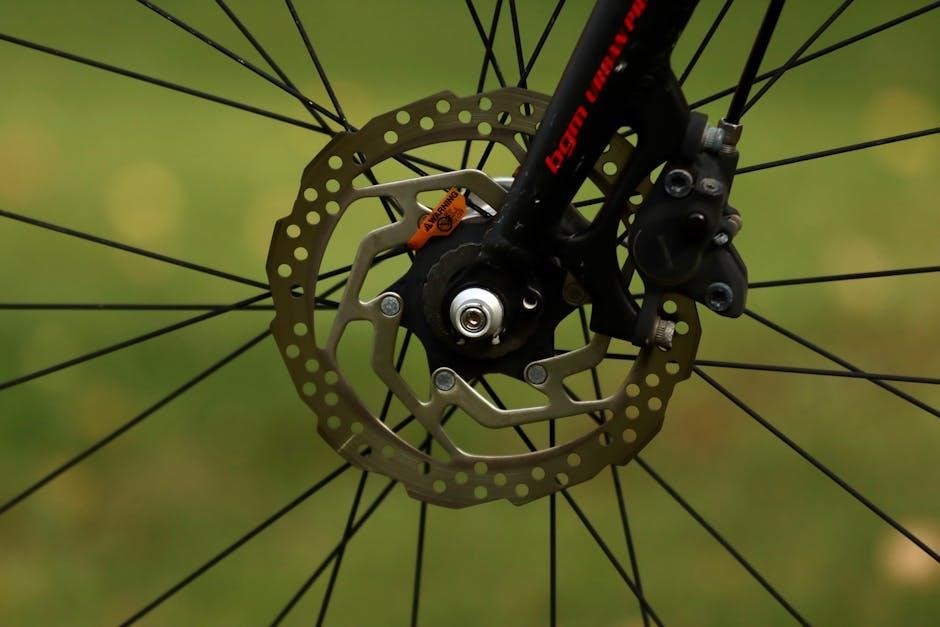
Hydraulic disc brakes‚ like those on motorcycles‚ demand careful attention to bleed screw location and fluid type for optimal performance and safety.
ABS Systems and Bleeding
Bleeding brakes on vehicles equipped with Anti-lock Braking Systems (ABS) requires a slightly different approach than traditional systems. While a manual brake bleeder can be used‚ it’s often beneficial – and sometimes necessary – to utilize a scan tool capable of activating the ABS pump during the bleeding process.
This activation cycles the ABS valves‚ allowing trapped air within the ABS module itself to be purged. Without this‚ air can remain lodged within the system‚ compromising ABS functionality and potentially leading to reduced braking performance. The process typically involves connecting the scan tool‚ selecting the ABS bleed function‚ and following the on-screen prompts while simultaneously using the manual bleeding technique at each wheel.
Some advanced ABS systems may require specific bleeding sequences or procedures outlined by the vehicle manufacturer. Always consult the vehicle’s service manual for detailed instructions before attempting to bleed ABS brakes. Ignoring these specifics could result in incomplete bleeding or damage to the ABS module.
Bleeding Hydraulic Disc Brakes
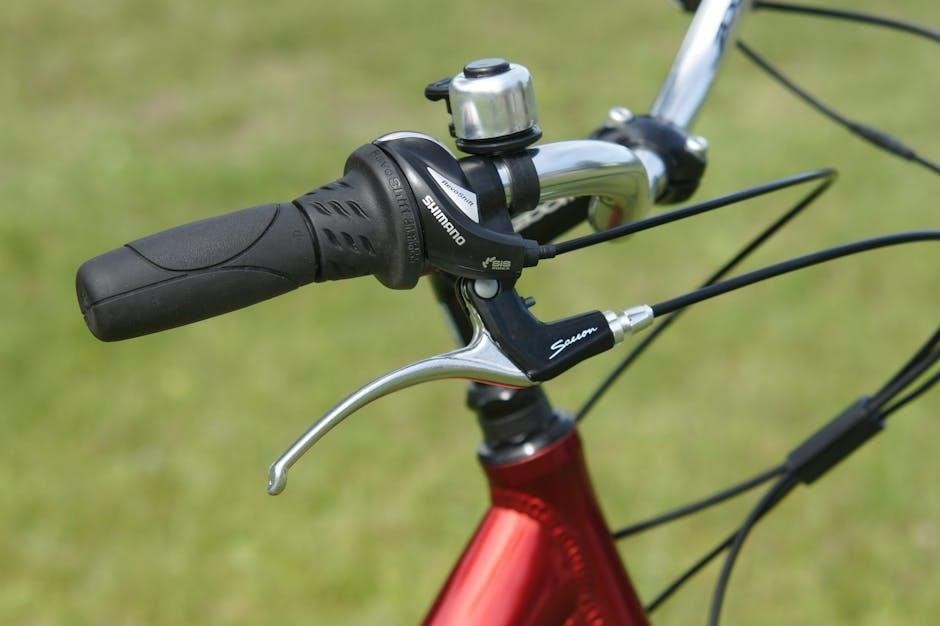
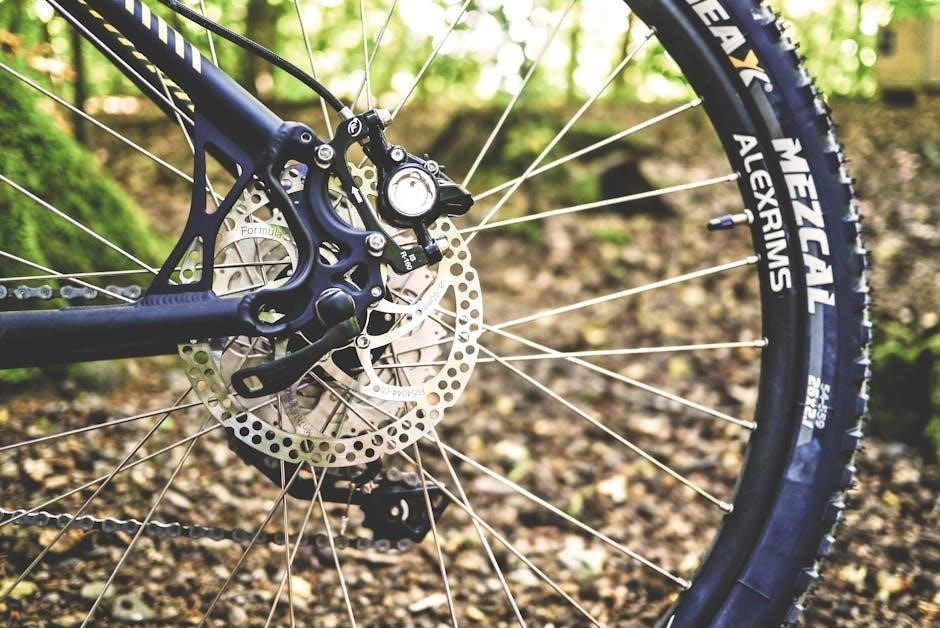
Bleeding hydraulic disc brakes‚ common in motorcycles and bicycles‚ differs from automotive systems‚ yet a manual brake bleeder kit can still be effectively employed. Newbie mistakes are frequent‚ so careful attention to detail is vital. Shimano systems (Deore‚ SLX‚ XT‚ XTR) are popular‚ requiring specific DOT or mineral oil depending on the model.
The process involves opening the bleed screw‚ pumping the lever or pedal‚ and observing for air bubbles in the fluid. Maintaining a consistent fluid level in the reservoir is crucial. Avoid introducing air into the system during this process. Tighten the bleed screw securely after each pump.
Various kits are available‚ simplifying the procedure. Remember to use the correct brake fluid type for compatibility and optimal performance. Proper bleeding ensures a firm lever feel and reliable stopping power‚ enhancing safety and control.