Understanding Remote Starters for Manual Transmission Vehicles
Remote starting a manual transmission vehicle presents unique challenges due to safety concerns regarding unintended gear engagement and potential vehicle movement.
The Core Challenge: Safety and Gear Position
The fundamental issue with remote starting a manual transmission lies in ensuring the vehicle cannot start while in gear. Unlike automatics, manuals require the driver to actively select a gear, creating a risk of unexpected movement if the remote start is engaged improperly.
Manufacturers generally avoid offering factory remote starts for manuals due to this inherent safety hazard. Systems must definitively confirm the vehicle is in neutral, and that no one is pressing the clutch or brake.
Online discussions highlight the necessity of parking in gear for manual transmissions, emphasizing the potential for damage or runaway vehicles if started in gear. The core challenge revolves around reliably preventing this scenario through sophisticated system design and user procedures.
Why Manufacturers Often Avoid Manual Transmission Remote Starts
Automakers largely refrain from offering factory-installed remote starts for manual transmission vehicles primarily due to liability concerns and the complexity of ensuring absolute safety. The risk of the vehicle starting in gear, leading to property damage, injury, or even fatalities, is deemed too significant.
Honda, for example, doesn’t provide this option, acknowledging the inherent difficulties. Developing a system that reliably bypasses the clutch switch and guarantees the car is in neutral every time presents a substantial engineering hurdle.
Furthermore, the potential for user error – forgetting to leave the car in neutral – adds another layer of risk. Manufacturers prioritize avoiding potential lawsuits over the convenience of a remote starter for manual transmissions.
How Manual Transmission Remote Start Systems Work
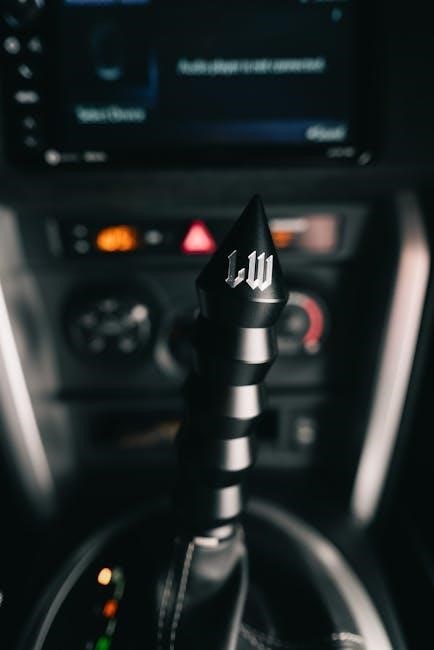
Aftermarket systems utilize a sequence, often involving neutral, the parking brake, and exiting the vehicle, to arm the starter and prevent in-gear starts.
The Neutral Safety Switch and its Role
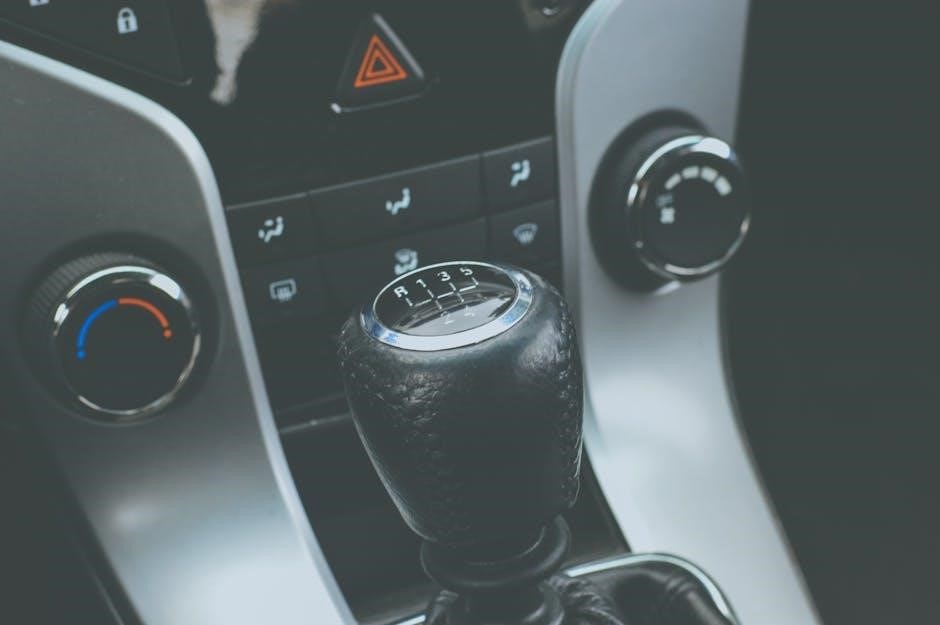
The neutral safety switch is a crucial component in preventing the engine from starting when the transmission isn’t in Park or Neutral. In automatic vehicles, it’s a standard safety feature. However, applying this directly to a manual transmission is problematic, as drivers routinely start in neutral.
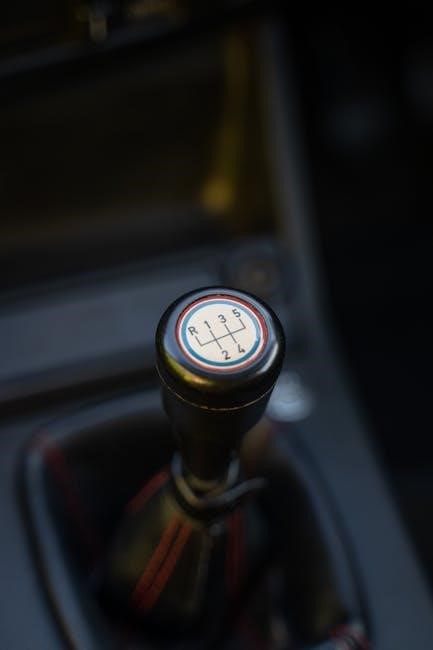
Remote start systems for manuals often bypass the traditional neutral safety switch functionality. Instead, they rely on a sequence – confirming the vehicle is in neutral – before arming the starter. This confirmation can involve the driver depressing the clutch and briefly putting the car into neutral as part of the arming procedure. The system then monitors the clutch switch to ensure it remains disengaged during the remote start process, further safeguarding against accidental engagement of a gear.
Essentially, the system creates its own safety check, mimicking the function of the neutral safety switch but with a driver-initiated confirmation step.
Arming the System: Pre-Start Procedures
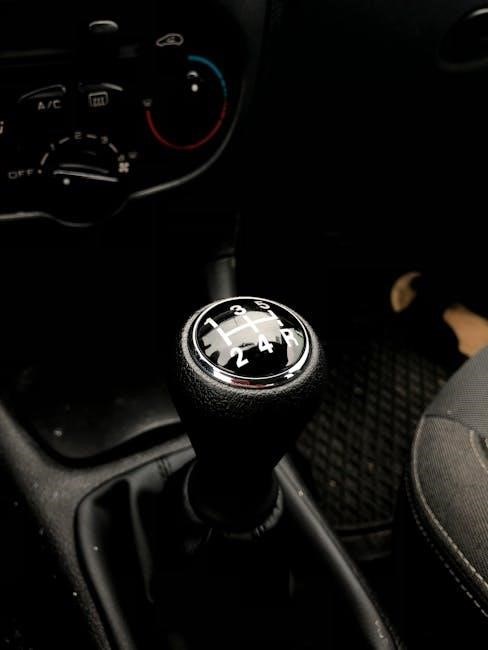
Successfully initiating a remote start on a manual transmission vehicle necessitates a specific arming sequence to guarantee safety. This typically involves several steps performed before exiting the vehicle. A common procedure requires depressing the clutch pedal and shifting the transmission into neutral. Following this, the driver must turn off the ignition, ensuring the car is completely powered down.
Crucially, the driver must then exit the vehicle without touching either the clutch or brake pedals; Some systems may require the driver’s door to be the last one closed, triggering the arming process. This sequence confirms the vehicle is unoccupied and, ideally, remains in neutral. Modern systems often provide audible or visual confirmation that the remote start is armed and ready for activation.
Sequencing Requirements for Activation
Activating a remote start on a manual transmission vehicle isn’t simply pressing a button; it demands a precise sequence of actions to prevent hazardous situations. Modern aftermarket systems incorporate multiple layers of security and verification. After the arming procedure – ensuring the vehicle is in neutral and unoccupied – the remote start is typically activated via a key fob or smartphone application.
The system verifies the pre-start conditions again before initiating the engine. This often includes checking the neutral safety switch and confirming no pedals are depressed. Some advanced systems may even monitor for movement, preventing start-up if any disturbance is detected. This multi-step process is vital to ensure the car remains stationary and safe during remote operation.
Installation Considerations
Proper installation is crucial for a safe and functional manual transmission remote start, often requiring professional expertise to bypass safety switches correctly.
Professional Installation vs. DIY
While DIY kits exist, installing a remote starter on a manual transmission vehicle is generally best left to professionals. The complexity lies in safely bypassing the clutch switch and ensuring the vehicle cannot start in gear. Incorrect wiring or programming can lead to dangerous situations, including unintended vehicle movement and potential damage.
Professional installers possess the necessary expertise and tools to properly integrate the system, verifying all safety protocols are functioning correctly. They understand the nuances of the vehicle’s electrical system and can avoid common pitfalls. A DIY approach, while potentially cost-saving, carries significant risk if not executed flawlessly. It’s a matter of prioritizing safety and preventing costly repairs or, worse, accidents.
Bypassing the Clutch Switch: Potential Issues
Bypassing the clutch switch – a crucial safety component – is central to enabling remote start on a manual transmission, but introduces inherent risks. The switch normally prevents starting unless the clutch is depressed, guaranteeing the transmission is in neutral. Removing this safeguard requires careful consideration and precise programming.
Improperly bypassing the switch can create a scenario where the vehicle could start in gear, leading to sudden and dangerous movement. Even with sophisticated systems, the potential for error exists. Furthermore, constantly circumventing the switch might place undue stress on other components. A faulty bypass or programming error could render the safety features ineffective, demanding professional expertise for a secure installation.
Ensuring the Vehicle Cannot Start in Gear
A paramount concern when installing a remote start on a manual transmission is absolutely guaranteeing the vehicle won’t start while in gear. Modern systems achieve this through multi-layered safety protocols and precise sequencing requirements. These systems often rely on confirming the vehicle is in neutral before arming the remote start function.
This confirmation frequently involves a combination of signals from the neutral safety switch and the vehicle’s computer. Advanced systems may even incorporate checks to verify the parking brake is engaged. Correct installation and programming are critical; a properly installed system will physically prevent starting in gear, offering peace of mind. Ignoring this aspect introduces unacceptable safety hazards.
System Features and Technologies
Modern remote start systems offer smartphone control, extended range, and integration with existing security features for enhanced convenience and safety.
Modern Systems and Advanced Safety Protocols
Contemporary remote start systems designed for manual transmissions incorporate multiple layers of safety to prevent accidental operation while in gear. These systems often demand a precise sequence of actions – engaging the parking brake, ensuring the vehicle is in neutral, and completely exiting the vehicle – before arming.
Advanced protocols utilize the vehicle’s existing sensors, like the neutral safety switch, to verify the transmission’s position. Some systems even employ double or triple verification processes. Furthermore, sophisticated algorithms monitor for any clutch or brake pedal activity during the remote start sequence, immediately disabling the process if detected. This prevents unintended starts and potential vehicle rollaway.
These features aim to mitigate the risks manufacturers historically avoided by simply not offering remote start for manual vehicles, providing a safer and more reliable user experience.
Integration with Existing Security Systems
Seamless integration with a vehicle’s factory-installed security system is a crucial aspect of modern manual transmission remote start solutions. This integration enhances overall vehicle security, preventing unauthorized remote starts and potential theft. Systems often leverage the existing alarm and immobilizer functions, adding an extra layer of protection beyond the remote start’s inherent safety protocols.
Many aftermarket systems can communicate directly with the vehicle’s CAN bus, allowing them to utilize existing security features and respond to alarm triggers. This means the remote start can be disabled if the alarm is activated, and vice-versa. Furthermore, some systems offer smartphone integration, providing real-time vehicle status and remote control of both security and remote start functions.
This synergy ensures a comprehensive and secure user experience.
Smartphone Control and Extended Range
Modern remote start systems for manual transmission vehicles increasingly feature smartphone integration, offering unparalleled convenience and control. Dedicated mobile applications allow users to remotely start, lock, unlock, and monitor their vehicle from virtually anywhere with cellular connectivity.
This extended range surpasses the limitations of traditional key fob systems, providing functionality even when the vehicle is parked far from the user. Smartphone apps often include features like vehicle location tracking, alarm notifications, and the ability to adjust remote start timers.
Furthermore, some systems allow for geofencing, enabling automatic start/stop based on the vehicle’s location. This level of control enhances both comfort and security.
Potential Risks and Limitations
Despite safety measures, accidental gear engagement remains a risk with manual transmission remote starts, potentially causing vehicle movement or damage.
The Risk of Accidental Gear Engagement
The primary concern with remote starting a manual transmission vehicle is the potential for accidental gear engagement. Unlike automatic transmissions, a manual requires a specific gear to be selected for movement, and if the system fails to verify the vehicle is in neutral, starting could result in unintended rolling or jerking. This risk is amplified if the neutral safety switch is bypassed or malfunctions.
Online discussions highlight the importance of ensuring the car is truly in neutral before arming the remote start. A failure to properly park in neutral, as noted in several forums, could lead to significant damage. Modern systems attempt to mitigate this through complex sequencing, but the possibility, however small, remains a critical limitation. The inherent nature of a manual transmission demands a higher degree of caution.
Impact on Clutch and Transmission Components
Frequent use of a remote start system on a manual transmission vehicle could potentially introduce stress on clutch and transmission components, though the extent is debated. Repeatedly engaging the starter motor without driver input, even in neutral, places a load on these systems. While modern systems are designed to minimize this, the long-term effects aren’t fully understood.
Concerns arise from the fact that the clutch isn’t actively engaged during remote starts, potentially leading to uneven wear over time. Some online discussions suggest that bypassing the clutch switch, a common practice for installation, exacerbates this issue. However, properly installed systems with robust safety protocols aim to mitigate these risks, prioritizing component longevity alongside convenience.
Legal and Insurance Implications
The legality of aftermarket remote start systems for manual transmission vehicles varies by location, and it’s crucial to verify local regulations before installation. While generally not explicitly illegal, modifications to factory safety systems can raise concerns. Insurance companies may view modified vehicles differently, potentially impacting coverage or premiums.
Specifically, if a remote start system is implicated in an accident – for example, if the vehicle unexpectedly moved due to a system malfunction – liability could be contested. It’s vital to inform your insurance provider about any aftermarket modifications. Failure to do so could void your policy. Thorough documentation of professional installation and adherence to safety standards is highly recommended to avoid potential legal or insurance disputes.
Alternatives to Remote Start for Manuals
Consider heated seats, enhanced security systems, or improved comfort features as viable alternatives to the complexities and risks of manual transmission remote starts.
Heated Seats and Other Comfort Features
For manual transmission vehicle owners desiring enhanced comfort, several alternatives to remote start offer practical solutions. Heated seats rapidly warm the cabin, providing immediate relief during cold weather, eliminating the need to pre-warm the entire vehicle.
Heated steering wheels and upgraded climate control systems also contribute to a more pleasant driving experience. Furthermore, focusing on interior enhancements like premium upholstery or improved sound systems can elevate the overall comfort level. These features bypass the safety concerns associated with remote starting a manual, offering convenience without the risk of accidental vehicle movement. Investing in these upgrades provides a comfortable and secure alternative, addressing the core desire for a more enjoyable driving experience without compromising safety.
Improved Security Systems
Instead of pursuing a potentially risky remote start for a manual transmission, bolstering the vehicle’s security offers a valuable alternative. Modern security systems provide comprehensive protection against theft, often including features like GPS tracking, immobilizers, and alarm systems with extended range.
These systems can alert owners to unauthorized access or movement, providing peace of mind. Integrating a sophisticated alarm with smartphone notifications allows for immediate response to potential threats. Furthermore, professional installation ensures optimal functionality and reliability. Prioritizing security not only safeguards the vehicle but also eliminates the complexities and safety concerns associated with modifying a manual transmission for remote starting. This approach delivers enhanced protection and convenience without compromising vehicle control or safety.