Pathfinder 2e Monk Guide: A Comprehensive Overview (Updated 02/13/2026)
Embark on a journey with the Monk, a versatile melee class offering diverse builds and engaging gameplay within Pathfinder 2e’s expansive world.
The Monk in Pathfinder 2e embodies disciplined martial artists, channeling inner energy – Ki – for extraordinary feats of combat and agility. Unlike spellcasters reliant on external forces, Monks draw power from within, mastering their bodies and minds to become formidable warriors and insightful wanderers.
This class excels at close-quarters combat, utilizing unarmed strikes and swift movements to overwhelm opponents. However, the Monk is far more than just a fighter; they are often seekers of enlightenment, dedicated to self-improvement and the pursuit of inner peace. Their path frequently leads them to remote monasteries or challenging trials, shaping them into balanced individuals capable of both devastating attacks and serene contemplation.
Expect a playstyle focused on tactical positioning, resource management (Ki), and exploiting enemy weaknesses. The Monk’s versatility allows for diverse character concepts, from the stoic defender to the whirlwind attacker, making them a rewarding choice for players seeking a dynamic and engaging experience.
Monk Class Overview & Core Identity

The Pathfinder 2e Monk is fundamentally a martial class, defined by its mastery of unarmed combat and the potent use of Ki. Their core identity revolves around disciplined movement, precise strikes, and a deep connection to their inner energy. Monks aren’t simply about raw power; they prioritize efficiency and adaptability, flowing like water to overcome obstacles.
Key to the Monk’s identity is the concept of ‘stunning’ – disrupting opponents and controlling the battlefield. They excel at single-target damage, but also possess tools for crowd control and support. Furthermore, Monks often embrace philosophies of self-improvement and balance, influencing their roleplaying and interactions.
Expect a class that rewards skillful play and strategic thinking. The Monk’s strength lies not in brute force, but in refined technique and mindful application of their abilities, making them a unique and compelling choice for players who enjoy a tactical combat experience.
Key Ability Scores for Monks
Dexterity is paramount for Monks, serving as the foundation for their impressive agility, attack rolls, and Armor Class. A high Dexterity score directly impacts their ability to land strikes and evade incoming attacks, making it the most crucial ability. Following closely is Wisdom, which fuels their Ki pool and enhances their mental fortitude.
Constitution is also vital, providing the hit points necessary to withstand damage in close-quarters combat. While Strength isn’t a primary focus, a moderate score can be beneficial for carrying capacity and certain feats. Intelligence and Charisma are generally less important for a typical Monk build, though roleplaying considerations may shift this.
Prioritize maximizing Dexterity and Wisdom during character creation and progression. These scores unlock the Monk’s full potential, allowing them to excel in both offensive and defensive capabilities.
Ancestries Best Suited for Monks
Several ancestries naturally complement the Monk’s playstyle, offering inherent bonuses to key ability scores and unique traits. Humans, with their versatility and bonus feat, are always a solid choice, allowing for early customization. Similarly, Half-Elves provide a balanced stat spread and skill proficiency, enhancing both combat and social interactions.
For those seeking a more specialized approach, Kitsune offer a Charisma boost and illusion magic, while Tengu boast a Dexterity bonus and flight speed. Catfolk’s natural agility and claw attacks synergize well with the Monk’s unarmed combat focus. Dhampir’s Strength and Dexterity boosts can also be effective.
Ultimately, the best ancestry depends on your desired build and roleplaying preferences, but these options provide a strong foundation for a successful Monk.
Monk Subclasses (Devotions)
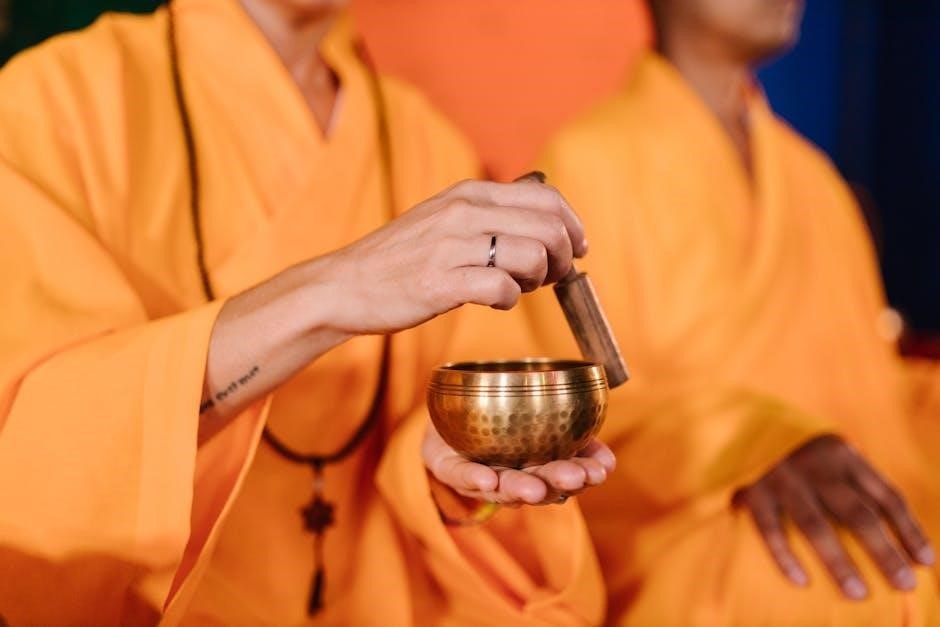
Monk devotions, or subclasses, dramatically alter gameplay, offering unique paths like the Drunken Master, Open Hand, Shadow, and Four Elements traditions.
Way of the Drunken Master
The Way of the Drunken Master embraces unpredictable movement and deceptive techniques, turning apparent clumsiness into a potent combat advantage. This devotion focuses on disrupting enemies and controlling the battlefield through feints, tumbles, and unexpected strikes. Drunken Masters excel at avoiding attacks, gaining bonuses to AC and Reflex saves when appearing off-balance.
Key features include abilities that allow you to redirect enemy attacks, move after striking without provoking reactions, and even gain temporary hit points from successful maneuvers. They are masters of misdirection, utilizing their seemingly erratic movements to confuse opponents and create openings. Expect a playstyle that rewards creativity and tactical positioning, favoring hit-and-run tactics over sustained engagements. This path is ideal for players who enjoy a more flamboyant and unpredictable combat approach.
Way of the Open Hand
The Way of the Open Hand embodies the classic martial artist, focusing on precise strikes, unwavering defense, and the raw power of the human body. This devotion emphasizes maximizing damage output with unarmed attacks and enhancing the Monk’s core combat capabilities. Open Hand Monks become incredibly proficient at delivering devastating flurries of blows, often incorporating stunning or debilitating effects.

Expect access to abilities that increase critical hit chance, add extra damage to strikes, and provide defensive bonuses when fighting without weapons or armor. They excel at sustained combat, relentlessly pressuring opponents with a constant stream of attacks. This path is perfect for players who want a straightforward, yet incredibly effective, martial combatant. Mastering the Open Hand requires precision and timing, rewarding players who can consistently land critical hits and exploit enemy weaknesses.
Way of the Shadow
The Way of the Shadow transforms the Monk into a master of stealth, deception, and swift, precise strikes from the darkness. This devotion centers around utilizing shadows to enhance mobility, confuse enemies, and deliver devastating attacks when they least expect it. Shadow Monks excel at infiltration, reconnaissance, and eliminating key targets with surgical precision.
Expect abilities that grant bonuses to Stealth checks, allow for teleportation within shadows, and imbue unarmed strikes with debilitating effects like blindness or weakness. They are masters of hit-and-run tactics, appearing and disappearing like phantoms. This path is ideal for players who enjoy a more tactical and elusive playstyle, favoring cunning over brute force. Successfully playing a Shadow Monk requires careful positioning, timing, and a keen understanding of the battlefield.
Way of the Four Elements
The Way of the Four Elements allows the Monk to channel the raw power of fire, water, earth, and air, becoming a dynamic and versatile combatant. This devotion focuses on imbuing unarmed strikes and movements with elemental energy, creating a constantly shifting and unpredictable fighting style. Four Element Monks are capable of both offensive bursts and defensive resilience, adapting to any situation.
Expect abilities that grant access to elemental-themed attacks, such as fiery fists, icy kicks, or earth-shattering palm strikes. They can also manipulate the elements to enhance their mobility, creating gusts of wind for swift movement or walls of earth for protection. Mastering this path requires understanding elemental synergies and choosing the right element for each encounter. It’s a rewarding, if complex, devotion for players who enjoy strategic flexibility.
Monk Core Mechanics & Gameplay
Monks excel through swift strikes, utilizing Ki for powerful abilities, and mastering movement; stances provide tactical advantages in every dynamic encounter.
Ki and Ki Spendings Explained
Ki is the lifeblood of the Monk, a finite resource fueling their extraordinary abilities. Monks regain a limited amount of Ki points during each daily preparation, emphasizing strategic resource management throughout adventures. Understanding Ki spending is crucial for maximizing effectiveness.
Different actions consume varying amounts of Ki. A simple Flurry of Blows might require 1 Ki, while more potent techniques, like stunning strikes or enhanced movement, demand a greater expenditure. Carefully consider the cost versus the benefit of each ability.
Monk feats and class features often modify Ki recovery or reduce the cost of specific actions. Optimizing your build around efficient Ki usage is a key component of mastering the class; Don’t waste Ki on trivial encounters; save it for moments where it truly impacts the battle’s outcome.
Unarmed Attacks & Flurry of Blows
The Monk’s core combat strength lies in their mastery of unarmed strikes. Unlike many classes reliant on weapons, Monks channel their Ki to deliver devastating blows with their fists, feet, and elbows. These attacks scale with level and benefit from various Monk feats, becoming increasingly potent.
Flurry of Blows is the defining feature of the Monk’s combat style. This action allows a Monk to make multiple unarmed strikes against a single target, significantly increasing their damage output. It’s a core mechanic, often used in conjunction with Ki spending to enhance its effectiveness.
Further enhancing unarmed combat, Monks gain access to special unarmed attack traits and effects. These can include increased critical hit chances, debilitating conditions, or elemental damage. Mastering Flurry of Blows and optimizing unarmed strikes is paramount to success.
Movement & Mobility Options
Monks are renowned for their exceptional agility and swiftness on the battlefield. Their class features grant a remarkable degree of control over movement, allowing them to navigate challenging terrain and outmaneuver opponents with ease. This mobility isn’t just about speed; it’s about tactical positioning and disrupting enemy formations.
Ki-fueled movement abilities are central to the Monk’s playstyle. Spending Ki allows for actions like Step as a free action, increasing their range and enabling quick repositioning during combat. Certain Devotions further enhance these capabilities, granting unique movement options.
Beyond Ki spending, Monks benefit from inherent speed and climbing proficiency. This combination makes them excellent scouts and allows them to access areas inaccessible to other classes. Mastering movement is key to maximizing a Monk’s effectiveness.
Stances and Their Benefits
Monks utilize a variety of stances, each offering distinct advantages in combat. These stances aren’t merely passive buffs; they fundamentally alter how a Monk approaches encounters, demanding strategic thinking and adaptation. Selecting the appropriate stance is crucial for optimizing performance against different foes and in varying situations.
Defensive stances prioritize survivability, granting increased AC or resistance to specific damage types. Offensive stances enhance damage output, potentially sacrificing some defense for greater striking power. Mobile stances focus on improving movement and positioning, allowing for hit-and-run tactics.
Switching between stances requires a reaction, adding a layer of tactical depth. Understanding the nuances of each stance and when to employ them is vital for mastering the Monk class and unlocking its full potential.
Monk Feats & Progression
Strategic feat selection is paramount for Monk development, shaping their capabilities at each level and unlocking specialized combat prowess.
Level 1-4 Feats: Early Game Focus
During levels 1-4, Monks establish a foundational skillset crucial for survival and effectiveness. Prioritize feats enhancing unarmed strike damage and mobility, as these are core to the class identity. Consider Fleet to capitalize on the Monk’s already impressive speed, allowing for tactical repositioning and flanking maneuvers. Power Attack is a strong contender for boosting damage output, though it comes with an accuracy penalty.
Defensively, Toughness provides valuable hit points, increasing survivability in close-quarters combat. Don’t neglect feats that improve Ki usage, such as those reducing Ki expenditure for specific abilities. Early access to Ancestry feats can also provide significant benefits, tailoring the Monk to a specific playstyle. Remember to balance offensive and defensive options, ensuring a well-rounded character capable of both dealing and receiving damage effectively.
Level 5-8 Feats: Mid-Game Power Spikes
Levels 5-8 mark a significant power jump for the Monk, unlocking access to more potent feats. Quick Squeeze dramatically improves Flurry of Blows, allowing for more frequent attacks and sustained damage output. Investing in feats that enhance movement, like Nimble Dodge, further solidifies the Monk’s agility and evasiveness. Consider feats that synergize with your chosen Devotion, amplifying its unique strengths.
Defensively, Iron Will is invaluable for resisting mental effects, a common threat in Pathfinder 2e. Expanding Ki pool options through feats becomes increasingly important, enabling more frequent use of powerful abilities. Don’t overlook utility feats that improve exploration or social encounters, rounding out the Monk’s capabilities beyond combat. This is the stage to truly define your Monk’s specialization.
Level 9-12 Feats: Specialization & Optimization
Reaching levels 9-12 allows for deep specialization, refining your Monk into a formidable force. Focus on feats that maximize your chosen Devotion’s potential; for example, enhancing elemental damage for the Way of the Four Elements or bolstering shadow manipulation for the Way of the Shadow. Greater Ki Strike significantly boosts damage, becoming a core component of your offensive strategy.
Consider feats that address specific weaknesses or enhance favored tactics. Improved mobility options, like Fleet, further increase your battlefield control. At this stage, optimizing your Ki spendings is crucial – feats that reduce costs or increase recovery rates are highly valuable. This is where you transform from a capable fighter into a truly exceptional Monk, tailored to your preferred playstyle.
Level 13-20 Feats: Late-Game Mastery
In the late game (levels 13-20), your Monk achieves peak performance. Feats now focus on pushing boundaries and achieving unparalleled mastery. Capstone feats for your chosen Devotion are essential, unlocking ultimate abilities and defining your role in combat. Consider feats like Perfected Flurry, dramatically increasing your damage output with Flurry of Blows.
Beyond Devotion capstones, explore feats that enhance survivability and utility. Unbreakable provides incredible resilience, while feats improving your skill versatility make you a valuable asset outside of combat. At this level, you’re not just dealing damage; you’re controlling the battlefield, supporting allies, and overcoming any challenge. Refine your build, and become a legend!
Monk Gear & Equipment
Monks prioritize mobility and finesse; selecting the right gear enhances their unarmed combat prowess and complements their ki-fueled abilities effectively.
Weapon Choices for Monks
While Monks excel at unarmed combat, understanding weapon choices provides tactical flexibility. Simple weapons are the Monk’s primary focus, allowing proficiency without hindering their ki-fueled techniques. Specifically, versatile weapons like the staff and sap offer extended reach or concussive force, complementing their fighting style.
Monks aren’t limited to just these options, though. They can effectively wield other simple weapons like daggers or clubs, adapting to specific encounter needs. However, remember that Monks gain significant benefits from their unarmed attacks, including Flurry of Blows, making weapon usage often situational.
Consider a weapon’s properties – reach, damage type, and special qualities – when making a selection. A weapon with the agile trait can be particularly useful, allowing for swift strikes and maneuvers. Ultimately, the best weapon for a Monk is one that enhances their existing strengths and provides a tactical advantage.
Armor Considerations for Monks
Monks traditionally eschew heavy armor, prioritizing freedom of movement and uninhibited ki flow. They are proficient with unarmored defense, which relies on Dexterity and potentially other ability scores to calculate their Armor Class (AC). This makes Dexterity a crucial stat for Monk characters.
While Monks can wear light armor, doing so imposes a penalty on their ki recovery and potentially hinders their mobility. The benefits of increased AC often don’t outweigh the drawbacks to their core class features.
Focusing on maximizing Dexterity and utilizing feats that enhance unarmored defense is generally the most effective approach. Consider items that provide AC bonuses without being armor, such as rings or amulets. Ultimately, a Monk’s best defense lies in their agility, speed, and ability to avoid attacks altogether.
Essential Magic Items for Monks
Several magic items significantly enhance a Monk’s capabilities in Pathfinder 2e. Rings of Protection are universally useful, boosting AC and saving throws. Belts of Incredible Dexterity are invaluable, maximizing the Monk’s primary stat for AC, attacks, and skills.
Items that grant additional actions or improve movement are also highly desirable. Boots of Striding and Springing provide increased speed and jump height, complementing the Monk’s mobility. Amulets granting access to specific ki spells can expand their tactical options.
For offensive power, consider weapons with the agile trait, synergizing with the Monk’s flurry of blows. Finally, items that bolster ki recovery, like a Necklace of Adaptation (configured for ki recovery), are crucial for sustained combat effectiveness.
Consumables & Utility Items
Monks, while self-sufficient, benefit greatly from strategic consumable use. Healing potions are always valuable, especially during prolonged encounters where ki expenditure is high. Potions of heroism or similar boosts can provide crucial advantages in challenging fights, enhancing both physical and mental fortitude.
For utility, elixirs offering temporary skill boosts can be invaluable for overcoming specific obstacles during exploration. Scrolls containing helpful spells like invisibility or dimension door offer tactical flexibility outside of combat.
Don’t overlook simple items like climbing kits or rope, which complement the Monk’s mobility and allow access to otherwise unreachable areas. Finally, antitoxin and other ailment-curing consumables are essential for surviving hazardous environments.

Monk in Group Dynamics & Roleplaying
Monks excel as adaptable team players, offering battlefield control, swift strikes, and insightful perspectives, enriching both combat and social interactions.
Monk’s Role in Combat
In the heat of battle, the Monk shines as a highly mobile and adaptable combatant. Their core strengths lie in delivering consistent damage through Flurry of Blows, capitalizing on swift strikes and precise positioning. Monks aren’t typically the highest burst damage dealers, but their sustained output is remarkably reliable.
They excel at controlling the battlefield, disrupting enemy formations with their movement and stunning abilities. Utilizing stances allows for tactical shifts, enhancing defense or offense as needed. Monks often function as front-line skirmishers, weaving in and out of combat, or as opportunistic strikers, exploiting openings in enemy defenses.
Furthermore, their ability to spend Ki points grants access to powerful techniques, augmenting their attacks and providing crucial utility. A well-played Monk is a whirlwind of motion, a constant threat that demands attention and respect from foes.
Monk’s Role in Exploration
The Monk’s exceptional mobility and perceptive abilities make them invaluable during exploration phases. Their increased movement speed and climbing proficiency allow them to navigate challenging terrains with ease, scouting ahead or reaching otherwise inaccessible areas. Monks can swiftly traverse obstacles, bypassing traps or discovering hidden pathways that others might miss.
Their heightened senses, often reflected in skill proficiencies, contribute to spotting concealed dangers or uncovering clues. A Monk’s discipline also lends itself to careful observation and problem-solving, aiding in deciphering riddles or investigating mysterious locations.
While not necessarily the strongest carriers, their agility allows them to manage their equipment efficiently. They are adept at navigating social situations, often employing a calm and observant demeanor, making them effective negotiators or investigators.
Monk’s Role in Social Encounters
Monks often approach social interactions with a unique blend of calm observation and disciplined restraint. Their training emphasizes self-control and understanding, allowing them to remain composed even in tense situations. This composure can be incredibly valuable when negotiating with potentially hostile individuals or gathering information discreetly.
While not always the most outwardly charismatic, a Monk’s perceptive skills allow them to quickly assess the motivations and intentions of others, detecting deception or hidden agendas. They excel at reading body language and subtle cues, providing valuable insights to the party.
Depending on their chosen Devotion, a Monk might lean towards a more direct or subtle approach, utilizing diplomacy or intimidation when appropriate. Their dedication to inner peace often translates into a patient and understanding demeanor, fostering trust and encouraging open communication.